Thursday, April 11, 2024

Why Wild Bird Lovers Should Choose Top-of-the-Crop Natural Feed: If you can't read it, don't feed it

(Joan Casanova) Have you ever wondered what’s in your favorite packaged foods, grabbed a box from your pantry, read the ingredients and realized you still didn’t know what you’re eating? The ingredients in some processed foods can read like a chemist’s shopping list. Now imagine if backyard birds could read. What would they say about the ingredients in the food you feed them?

A growing number of Americans are choosing natural foods for their pets; nearly one-third say they prefer natural products, according to PetFoodIndustry.com. People who feed wild birds also want to know they’re feeding the most natural and nutritious options. It’s hard to be confident when reading the mystifying ingredient list on feed bags makes you feel like a bird brain.

With an abundance of options, ranging from commercial bird feeds to small-batch varieties, understanding the differences can help bird lovers make informed choices to meet wild birds’ nutritional needs while considering factors like sustainability and quality.

The wild bird experts at Cole’s Wild Bird Products, Co. offer these tips to ensure you’re feeding your feathered friends a healthy, natural diet.

While commercial bird feeds aim to provide basic nutrition for birds, the quality and nutritional content can vary. Some mixes contain a high proportion of less desirable seeds and fillers, offering limited nutritional value.

Small batch bird feeds prioritize nutritional content, using premium ingredients rich in essential nutrients, fats and proteins. This can provide birds with a more balanced diet, promoting overall health and vitality.

Avoid commercial bird feeds that are full of cheap fillers, such as red milo, millet, cracked corn, oats and wheat. Fillers lack nutritional value and birds will kick them right out of the feeder.

Instead, select small batch, natural feed comprised of top-of-the-crop seeds which contain no chemicals or mineral oil like Cole’s and bypass seed coated with them. Some commercial bird feeds are coated with mineral oil and mixed with crushed rock to add “vitamins.” Current regulations allow manufacturers to list nutritional components of mineral oil (iron, zinc) and crushed rock (vitamin A, calcium carbonate) separately, which can make the ingredients look more impressive. Mineral oil makes birdseed shiny and helps hide dirt and dust, and crushed rock adds weight to the product.

Take note of ingredients you can’t read; often it’s an indication the ingredient is synthetic or lab engineered. Ingredients like menadione sodium bisulfite complex and thiamine mononitrate aren’t found in natural foods; they’re man-made versions of vitamins. The rule of thumb for buying all-natural is “If you can't read it, don't feed it.”  

Focus on serving feed with an ingredient list you can read and understand. For instance, Cole’s Sunflower Meats contains nothing but shelled sunflower seeds and White Millet contains 100% white millet. Super simple, right?

Study birds visiting your feeders and research feed they prefer or buy feed from a reputable company that’s done that work for you. For example, Cole’s offers select natural seed choices developed and based on research about what birds actually eat. Feed is specifically formulated to attract certain species of birds as well as the largest number of birds. No cheap filler seeds are used and seed is cleaned to ensure quality – no sticks and dirt. When you know and serve what backyard birds prefer, they’ll keep coming back for more.

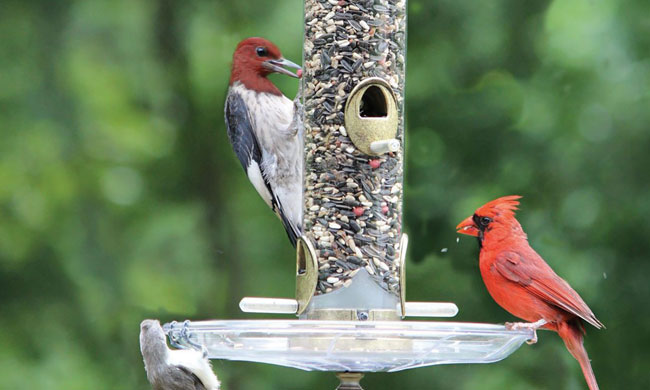
Supplement seed with natural foods you have at home. For example, woodpeckers love raw peanuts, mockingbirds love fruit and chickadees savor suet. Soak raisins and currants in water overnight then serve or purchase blends with a dried fruit and nut mixture, like Nutberry suet. To attract orioles, skewer halved oranges on a spike near feeders.

Buy feed from companies specializing in wild bird food. Some offer bird feed as a side product of pet products or grass seed producers. Conversely, Cole’s exclusively produces and sells products for feeding backyard birds. Seeds are packaged like human food in “Harvest Fresh Lock” packaging so seeds don’t lose nutritional content or dry out and spoil.

To learn more about all-natural feed options with ingredients even birds could understand, visit coleswildbird.com.

Photos courtesy of Cole’s Wild Bird Products

SOURCE:
Cole’s Wild Bird Seed

Friday, April 5, 2024

Turn Your Tax Refund Into a New Ride

Make a major purchase more manageable

With tax refunds starting to flow in, many people are considering ways to invest their money.

If you’re looking to purchase a vehicle, putting your tax refund toward a down payment on a used car can be a smart financial decision for several reasons – from reduced interest rates on your loan and shortened loan terms to lower monthly payments – and the timing is right to take advantage of improving market conditions. Consider this information to help make an informed buying decision.

Lower Your Monthly Payment
The more you can invest in the down payment of a vehicle, the lower your monthly cost will typically be and the less interest you will typically pay over the length of the loan. This can lead to smaller, more manageable monthly payments.

A significant down payment can also help offset higher-than-average interest payments and could lead to a shorter term, meaning less total accrued interest. An auto loan calculator can show you how a down payment can affect interest charges.

More Affordable Vehicle Options
Used car prices have been trending downward month-over-month, according to the Bureau of Labor Statistics’ consumer price index. These decreases in used car prices are helping offset higher than normal interest rates. The average sales price for a pre-owned vehicle through Enterprise Car Sales, for example, is approximately $21,000 right now, compared to average new car prices, which are hovering around $44,000.

Vehicle inventory is improving along with an increase in consumer demand for cars, which makes now an attractive time to buy. Many used car sellers feature inventory that is readily available so you can select from options you know are in stock, including different makes and models with a wide range of different features that can offer more affordable options.

“We have a large inventory of vehicles across the country currently priced under $20,000,” said Mike Bystrom, vice president of Enterprise Car Sales. “There are several considerations to keep in mind when shopping for a vehicle, and there is no one-size-fits-all approach. Consumers should weigh their options, but the one thing they shouldn’t compromise on is receiving great customer service.”

Protect Your Purchase
Ensuring your purchase is protected is also a smart financial decision. Take advantage of dealers that offer additional benefits to help protect your purchase and provide peace of mind that your tax refund has been well spent.

Look for a used vehicle that has passed an inspection by an ASE-certified technician and comes with a limited powertrain warranty, as well as extra coverage options such as roadside assistance and a return policy up to a certain amount of days or mileage.

With a little research and careful planning, you can find a reliable used car that meets your needs and puts your tax refund to good use. Visit enterprisecarsales.com for more information.

SOURCE:
Enterprise Car Sales

Simple, Convenient Salads to Celebrate Spring

Letting in a little fresh air with an open window or a screen door is a sure sign of spring, allowing the natural sights and smells of the outdoors to accompany you at the dinner table. Take that open-air freshness to new heights this spring by pairing it with your own signature spins on salad season.

For example, this Tuna and Rice Nicoise Salad offers a new take on tuna salad with olive tapenade, capers, tomatoes, green beans and cherry tomatoes. Its calling card: swapping out potatoes in favor of Minute Yellow Rice Cups, which cook up fast as a convenient and flavorful alternative that saves the chore of washing, peeling and boiling potatoes. Fully cooked and packaged in BPA-free cups, it features white rice lightly seasoned with onion powder, garlic powder and turmeric for a delightful taste ready in just 1 minute.

As a perfect recipe for those who love veggies, this dish combines classic salad freshness with olive tapenade for a briny bite in every mouthful. Canned tuna mixes with bursts of capers, hard-boiled egg, crisp green beans and sweet cherry tomatoes capped off with tart balsamic dressing to round out the dish.

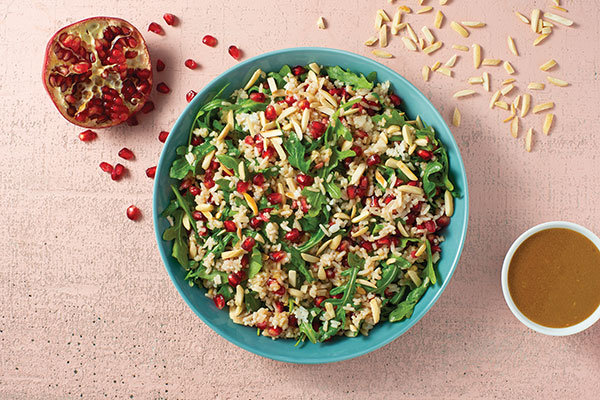
If you love the taste of crisp, peppery arugula, this Pomegranate and Arugula Rice Salad is practically perfect. Your favorite green shines alongside a delicious mix of sweet pomegranate seeds, crisp almonds and tart balsamic dressing that’s ideal for a starter or side, or you can add a preferred protein to turn it into a satisfying main course.

Incredibly colorful with a lively taste, bright flavors mingle with fluffy grains of Minute Instant Jasmine Rice, ready in just 5 minutes to keep your dinner schedule on track. Aromatic white rice provides a distinct scent, perfect texture and delicious taste that’s fast, fragrant, flavorful and fluffy. It’s simply precooked then dried with nothing added but convenience to help you get tasty meals on the table quickly.

Requiring just 15 minutes to prepare, this salad is ready in an instant and serves up to eight people, making it a solution for anything from family gatherings to meal prepping for a busy week ahead.

Find more spring salads and other flavorful, convenient recipes by visiting MinuteRice.com.

Tuna and Rice Nicoise Salad

Prep time: 4 minutes
Cook time: 1 minute
Servings: 1

  • 1 cup Minute Yellow Rice Cups
  • 2 tablespoons balsamic dressing
  • 2 tablespoons olive tapenade
  • 1 teaspoon capers, drained well
  • 1/2 cup halved cherry tomatoes
  • 1/2 cup frozen green beans, thawed
  • 1 can (3 ounces) tuna, drained and flaked
  • 1 hard-boiled egg, cut into wedges
  1. Heat rice according to package directions.
  2. In medium bowl, combine rice, balsamic dressing, tapenade and capers. Mix well.
  3. Top with cherry tomatoes, green beans, tuna and hard-boiled egg.
  4. Tip: Serve salad over bed of mixed greens, if desired.

Pomegranate and Arugula Rice Salad

Prep time: 10 minutes
Cook time: 5 minutes
Servings: 8

  • 2 cups Minute Instant Jasmine Rice
  • 1/3 cup olive oil
  • 3 tablespoons balsamic vinegar
  • 2 tablespoons minced red onion
  • 1 tablespoon Dijon mustard
  • 1 teaspoon honey
  • 1/2 teaspoon salt
  • 1/4 teaspoon black pepper
  • 1 bag (5 ounces) arugula
  • 1 cup pomegranate seeds
  • 1/3 cup slivered almonds, toasted
  1. Prepare rice according to package directions. Cool completely, about 10 minutes.
  2. In large bowl, whisk oil, vinegar, red onion, mustard, honey, salt and pepper.
  3. Add rice, arugula and pomegranate seeds to bowl; toss to coat thoroughly. Sprinkle with almonds.

Tips: For added flavor, top salad with crumbled goat or blue cheese.

To cool rice quickly, spread evenly on parchment paper-lined baking sheet.


SOURCE:
Minute Rice

Monday, April 1, 2024

What is Volt Typhoon? A cybersecurity expert explains the Chinese hackers targeting US critical infrastructure

U.S.-China antagonism is particularly acute in the realm of hacking and cybersecurity. AP Photo/Kiichiro Sato
Richard Forno, University of Maryland, Baltimore County

Volt Typhoon is a Chinese state-sponsored hacker group. The United States government and its primary global intelligence partners, known as the Five Eyes, issued a warning on March 19, 2024, about the group’s activity targeting critical infrastructure.

The warning echoes analyses by the cybersecurity community about Chinese state-sponsored hacking in recent years. As with many cyberattacks and attackers, Volt Typhoon has many aliases and also is known as Vanguard Panda, Bronze Silhouette, Dev-0391, UNC3236, Voltzite and Insidious Taurus. Following these latest warnings, China again denied that it engages in offensive cyberespionage.

Volt Typhoon has compromised thousands of devices around the world since it was publicly identified by security analysts at Microsoft in May 2023. However, some analysts in both the government and cybersecurity community believe the group has been targeting infrastructure since mid-2021, and possibly much longer.

Volt Typhoon uses malicious software that penetrates internet-connected systems by exploiting vulnerabilities such as weak administrator passwords, factory default logins and devices that haven’t been updated regularly. The hackers have targeted communications, energy, transportation, water and wastewater systems in the U.S. and its territories, such as Guam.

In many ways, Volt Typhoon functions similarly to traditional botnet operators that have plagued the internet for decades. It takes control of vulnerable internet devices such as routers and security cameras to hide and establish a beachhead in advance of using that system to launch future attacks.

Operating this way makes it difficult for cybersecurity defenders to accurately identify the source of an attack. Worse, defenders could accidentally retaliate against a third party who is unaware that they are caught up in Volt Typhoon’s botnet.

Why Volt Typhoon matters

Disrupting critical infrastructure has the potential to cause economic harm around the world. Volt Typhoon’s operation also poses a threat to the U.S. military by potentially disrupting power and water to military facilities and critical supply chains.

FBI Director Christopher Wray testified at a congressional hearing on Jan. 31, 2024, about Chinese hackers targeting U.S. critical infrastructure.

Microsoft’s 2023 report noted that Volt Typhoon could “disrupt critical communications infrastructure between the United States and Asia region during future crises.” The March 2024 report, published in the U.S. by the Cybersecurity and Infrastructure Security Agency, likewise warned that the botnet could lead to “disruption or destruction of critical services in the event of increased geopolitical tensions and/or military conflict with the United States and its allies.”

Volt Typhoon’s existence and the escalating tensions between China and the U.S., particularly over Taiwan, underscore the latest connection between global events and cybersecurity.

Defending against Volt Typhoon

The FBI reported on Jan. 31, 2024, that it had disrupted Volt Typhoon’s operations by removing the group’s malware from hundreds of small office/home office routers. However, the U.S. is still determining the extent of the group’s infiltration of America’s critical infrastructure.

On March 25, 2024, the U.S. and U.K. announced that they had imposed sanctions on Chinese hackers involved in compromising their infrastructures. And other countries, including New Zealand, have revealed cyberattacks traced back to China in recent years.

All organizations, especially infrastructure providers, must practice time-tested safe computing centered on preparation, detection and response. They must ensure that their information systems and smart devices are properly configured and patched, and that they can log activity. And they should identify and replace any devices at the edges of their networks, such as routers and firewalls, that no longer are supported by their vendor.

Organizations can also implement strong user-authentication measures such as multifactor authentication to make it more difficult for attackers like Volt Typhoon to compromise systems and devices. More broadly, the comprehensive NIST Cybersecurity Framework can help these organizations develop stronger cybersecurity postures to defend against Volt Typhoon and other attackers.

Individuals, too, can take steps to protect themselves and their employers by ensuring their devices are properly updated, enabling multifactor authentication, never reusing passwords, and otherwise remaining vigilant to suspicious activity on their accounts, devices and networks.

For cybersecurity practitioners and society generally, attacks like Volt Typhoon can represent an enormous geopolitical cybersecurity threat. They are a reminder for everyone to monitor what’s going on in the world and consider how current events can affect the confidentiality, integrity and availability of all things digital.

Richard Forno, Principal Lecturer in Computer Science and Electrical Engineering, University of Maryland, Baltimore County

This article is republished from The Conversation under a Creative Commons license. 

Sunday, March 31, 2024

Many travel nurses opt for temporary assignments because of the autonomy and opportunities − not just the big boost in pay


Ivan Gan, University of Houston-Downtown

Travel nurses take short-term contracts that can require long commutes or temporarily living away from home. Time and again, they have to get used to new co-workers, new protocols and new workplaces.

So why would staff nurses quit their stable jobs to become travel nurses?

Well, for one, they get bigger paychecks. But U.S. nurses have other rationales besides making more money, according to a study I conducted.

To do this research, I interviewed 27 registered nurses based in different places.

Many of the people I interviewed disclosed that they left permanent positions to combat burnout. Although they welcomed the bump in pay, travel nursing also gave them the autonomy to decide when and where to work. That autonomy allowed them to pursue personal and professional interests that were meaningful to them, and it made some of the other hassles, such as long commutes, worth it.

On top of earning more money, travel nursing “gives you an opportunity to explore different areas,” said a nurse I’ll call Cynthia, because research rules require anonymity. “When you actually live there for three months, it gives you a chance to really immerse yourself in the area and really get to know not just the touristy stuff, but really hang out with the locals and really be exposed to that area.”

Other study participants said they enjoyed the novelty and educational opportunities.

“You don’t get bored or stuck in a routine,” Michelle said. “You’re always trying to learn new policies at the new hospital that you’re in, learning about the new doctors, nursing staff, new ways of doing things, where things are located. That helps keep me from feeling burned out so quickly.”

Said Patricia: “I want to see how other operating rooms across the country do things and how they do things differently. I do learn a lot of things going from place to place.”

Man in scrubs looks out the window with some trepidation in his eyes.
Travel nurses move around a lot but also find upsides to that mobility. Elaine Cromie/The Washington Post via Getty Images

Why it matters

A growing number of U.S. nurses were obtaining temporary assignments before the COVID-19 pandemic began.

But travel nursing became much more widespread in 2020, when hospitals were scrambling to keep their staffing levels high enough as millions of Americans were becoming infected with the coronavirus, straining capacity in many communities.

While compensation varies widely, the median pay of registered nurses in 2022 was US$81,220, about 35% less than the $110,000 that registered nurses who traveled earned.

At the height of the COVID-19 pandemic, travel nurses could earn an even bigger premium. Many were paid twice as much as staff nurses.

Once the number of Americans with severe symptoms fell, that premium declined too. But there are still over 1.7 million travel nurses in the U.S. Hiring them is one of the main ways that hospitals cope with a long-term shortage of nurses.

But nurses with permanent jobs can get aggravated by this arrangement when they learn how much more travel nurses earn for doing the same work, as I found through another research project.

What other research is being done

Research supports a widely reported trend: More Americans have temporary jobs and freelance employment than in the past.

While travel nurses can help hospitals, nursing homes and doctors’ offices meet staffing needs, there are signs that patients don’t always fare as well with their care.

And a Canadian study found that when hospitals let staff nurses work part time and offer other alternative arrangements, their retention rates may rise.

The Research Brief is a short take about interesting academic work.The Conversation

Ivan Gan, Assistant Professor of Communication Studies, University of Houston-Downtown

This article is republished from The Conversation under a Creative Commons license. 

Saturday, March 30, 2024

Get Creative with Easter Sweets

Kid-friendly crafts that bring loved ones together

Holiday hams and deviled eggs may take center stage at Easter gatherings, but edible crafts offer a reminder of the magic of the season that’s found in moments spent together. Simple recipes that call for a dose of creativity are perfect ways to bring the kids to the kitchen, made even easier when all that work leads to sweet treats.

While plastic eggs may have led to a decline in good, old-fashioned egg-dyeing, there are still fun ways to bring crafts back to Easter celebrations. Consider these Kids Krafty Easter Cake Pops, which call for little ones to help dip seasonal shapes in chocolate, use cake molds and more.

Children of virtually any age can relish in the joys of using cookie cutters and decorating Easter Sugar Cookies, all with a little supervision and short list of instructions. This version shows how to make the cookies and homemade icing so you can create any color you desire for maximum creativity.

Remember, these delicious crafts don’t have to be perfect – having fun and making memories that last a lifetime are what make Easter truly special.

Visit Culinary.net to find more Easter inspiration and recipes from “Cookin’ Savvy.”

Kids Krafty Easter Cake Pops

Recipe courtesy of "Cookin' Savvy"

  • 1 box cake mix
  • 1 can frosting
  • 1 bunny chocolate mold
  • 1 cakesicle mold
  • ice pop sticks
  • 1 bag white chocolate chips or melting chips
  • cake pop sticks
  • 1 bag orange melting chips
  • 2 tablespoons canola or coconut oil, divided
  • 1 bag green melting chips
  • pastel sprinkles
  • 1 piece hard foam (optional)
  • edible markers
  1. Bake cake according to package instructions and let cool completely.
  2. Crumble cake and mix with 1/2 can frosting until dough forms. Add more frosting, if needed. Using small cookie scoop, form dough into balls and set aside. Place dough in bunny molds then pop out and set aside with balls. Place dough in cakesicle mold, insert ice pop stick in each slot and freeze 5-10 minutes.
  3. Melt handful of white melting chips. Stick tip of each cake pop stick in chocolate then insert into every cake ball and bunny until each has one stick. Set aside to dry.
  4. Remove cakesicles from freezer and pop out of molds. In bowl, melt orange melts then mix in 1 tablespoon oil and transfer to cup. Dip cakesicles and scrape off excess using rim of cup. Place on parchment paper to dry.
  5. In bowl, melt green melts then place in zip-top or piping bag. Cut tip off bag, pipe carrot leaves onto piece of parchment paper and let dry.
  6. Melt remaining white melts and mix in remaining oil. Transfer to cup and dip ball-shaped cake pops and bunnies then tap stick on edge of cup to remove excess.
  7. Over separate bowl, sprinkle ball-shaped pops with pastel sprinkles. To keep ball shape, let dry by sticking in piece of hard foam. Bunnies can dry face side up on parchment paper. After bunnies are dry, use edible markers to make face and color in ears.
  8. When carrots and leaves are dry, remelt orange melts and place in piping or zip-top bag. Cut off tip and drizzle orange over carrots. Add small line of orange on each ice pop stick and place leaves on each stick. Let dry.

Easter Sugar Cookies

Recipe courtesy of "Cookin' Savvy"

Icing:

  • 1/3 cup meringue powder
  • 1/2 cup warm water, plus additional for thinning (optional), divided
  • 3 tablespoons vanilla
  • 1 bag (2 pounds) powdered sugar
  • 2 tablespoons corn syrup
  • assorted food coloring

Cookies:

  • 2 sticks unsalted butter, at room temperature
  • 1 cup sugar
  • 1 egg
  • 1 tablespoon vanilla
  • 2 teaspoons baking powder
  • 1 dash salt
  • 3 cups all-purpose flour
  1. To make icing: Mix meringue powder, 1/2 cup warm water, vanilla, powdered sugar and corn syrup. Separate into bowls and add food coloring; mix with water, as needed, to thin for piping.
  2. To make cookies: Heat oven to 350 F.
  3. Cream butter and sugar. Mix in egg, vanilla, baking powder and salt. Mix in flour 1 cup at a time to form dough. Roll dough out to 1/4-1/2-inch thickness.
  4. Cut into shapes, place on baking sheet and freeze 10 minutes. Bake 8-12 minutes. Cool completely before icing.
  5. Place icing in zip-top or piping bags and cut off tips. Put cookies on parchment paper. Trace outline first then fill in middle. Use toothpicks to smooth out.
  6. Let dry 6 hours and finish decorating with different icing colors or edible markers.


SOURCE:
Culinary.net

Thursday, March 28, 2024

OG PUFF - The Very Best!


Sign up for Special Offers, New Product Releases 
& learn more about OG Puff

Walk Your Way to Better Health

A walk is not just good for your body, it’s also good for your soul. Physical activity, like walking, is one of the best ways to reduce stress and boost your mood. However, reports show walking rates are declining steadily in the United States.

On average, 1 out of every 4 U.S. adults sits for longer than eight hours each day, per research from the Centers of Disease Control and Prevention, which can have negative consequences on physical and mental health. Regular exercise improves mood, boosts energy and can even help you sleep better. Staying active is one of the best ways to keep your mind and body healthy.

Consider this advice from the American Heart Association, which has worked for decades to promote policies and strategies that make it easier for communities to get and stay active. One example is National Walking Day on April 3, established by the organization to encourage people to move more throughout the day so they can feel, think, sleep and live better.

Indeed, adding more movement can benefit your body and mind in numerous ways, such as:

Lowering disease risk. Getting the recommended amount of physical activity (at least 150 minutes of moderate, 75 minutes of vigorous or a combination of those activities per week) is linked to lower risk of diseases, stronger bones and muscles, improved mental health and cognitive function and lower risk of depression, according to the U.S Department of Health and Human Services.



Increasing sunlight exposure. Outdoor exercise is an easy way to get moving and take in the sunlight, which can improve mood, boost immunity and help you get some vitamin D. Spending time outdoors is a no-cost option and has been shown to reduce stress, promote a sense of belonging and improve mood.

Improving cognitive and mental function. Physical activity keeps your mind sharp now and later. Studies show higher fitness levels are linked to better attention, learning, working memory and problem solving. What’s more, a study published in the “British Journal of Sports Medicine” shows people who get the recommended amount of physical activity are less likely to develop depression.

Living longer. Healthy life expectancy can be positively impacted by increasing activity. According to research published in the “American Journal of Epidemiology,” swapping just 30 minutes of sitting with low-intensity physical activity reduced risk of death by 17%.

Get moving to reduce your stress and step into better health. Learn more at heart.org/movemore.

Get Inspired to Get Moving

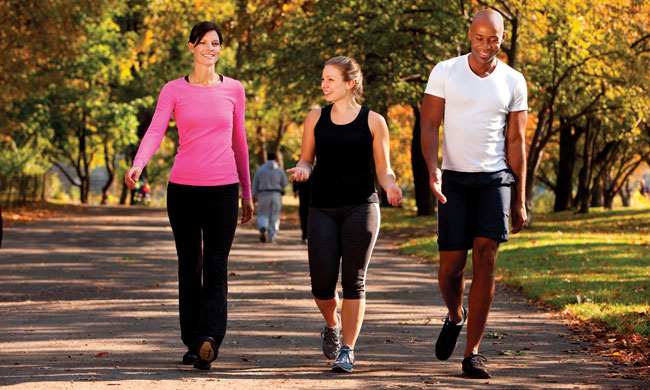
A little creativity can go a long way to make your walk more fun. You might think of walking as a solo activity, but a companion makes it even more enjoyable. Ask colleagues, friends or family to join you.

A walk is a perfect excuse to take a break from a long day at your desk. If you work remotely, take a conference call on the go or plan your walk as a reward for completing a project.

Use your walk as a guilt-free opportunity to listen to a new audiobook or create a walking soundtrack of your favorite upbeat music.

Mix up your scenery. Taking new routes keeps your walks interesting and helps prevent boredom from traveling the same predictable path.

If you need an extra nudge to get moving, a pet may help you get fit. Dog parents are more likely to reach their fitness goals than those without canine companions. In fact, according to the “Journal of Physical Activity & Health,” dog parents are 34% more likely to fit in 150 minutes of walking a week than non-dog owners. Pets can also help lower stress, blood pressure, cholesterol and blood sugar and boost your overall happiness and well-being.

SOURCE:
American Heart Association

Celebrate Spring with Brunch Favorites

Few things go together quite like fresh spring air, warm sunshine and a menu made up of delicious brunch bites. Whether you’re hosting a crowd or simply gathering your loved ones around the family table for quality time together, a menu of morning favorites can appease appetites of all kinds.

From sweet to savory and back again, you can turn your mid-morning meal into a full-blown feast with a menu made up of pleasing dishes such as this French Toast Casserole, which can serve as a make-ahead twist on the breakfast classic; customizable Breakfast Burritos that pack a protein punch; and a bite-sized treat like Double Chocolate Chip Mini Muffins for a sweet finishing touch to any brunch occasion.

Find more recipes to inspire your next brunch menu at Culinary.net.

Warm Up with a Fresh Casserole

An exciting twist on a breakfast classic, it’s hard to beat this French Toast Casserole when putting together your brunch spread. Crisp on top while soft and moist in the middle, it comes fresh out of the oven with the aroma of maple syrup and pecans that will have the whole house eager for a bite. It’s easy enough to make fresh in the morning but can also be prepared the night before so all you have to do is add the topping and pop it in the oven.

French Toast Casserole

  • 1 loaf French bread (about 1 1/2 pounds), cut into 1-inch cubes
  • 5 large eggs
  • 1 1/2 cups unsweetened milk
  • 2 tablespoons brown sugar
  • 2 teaspoons vanilla extract
  • 1 teaspoon cinnamon
  • 1/4 teaspoon nutmeg
  • 1/4 teaspoon sea salt
  • maple syrup, for serving

Topping:

  • 2 tablespoons unsalted butter or coconut oil, melted
  • 2 tablespoons brown sugar
  • 1/2 cup chopped pecans
  • 1 cup frozen strawberries
  • 1 cup frozen blueberries
  • confectioners' sugar, for dusting
  1. Grease 9-by-13-inch baking dish. Place bread cubes in baking dish. In large bowl, whisk eggs, milk, brown sugar, vanilla, cinnamon, nutmeg and salt. Pour mixture evenly over bread cubes.
  2. If making casserole ahead, cover baking dish and refrigerate overnight. If baking immediately, let stand 30 minutes at room temperature to allow bread to soak up egg mixture.
  3. Preheat oven to 350 F.
  4. To make topping: Drizzle casserole with melted butter and sprinkle with brown sugar and pecans. Top with strawberries and blueberries.
  5. Cover and bake 35 minutes then uncover and bake 10-20 minutes, or until topping is browned and egg mixture has mostly set.
  6. Remove from oven, cover loosely with foil and let stand 10 minutes. Dust with confectioners' sugar. Serve with maple syrup.

Brunch with a Powerful Punch

When you’re craving something hearty and rich, switch up your brunch habits with wholesome and filling Breakfast Burritos. With protein to keep you full, veggies for a touch of added nutrition and hot sauce to pack a powerful punch of flavor in every bite, this hearty recipe will keep you full and bursting with energy until your next meal. Plus, they’re easy to make in a matter of minutes and totally customizable to accommodate every palate.

Breakfast Burritos

Servings: 4

  • 2 teaspoons canola oil
  • 1 small red onion, diced
  • 1 red bell pepper, seeded and diced
  • 1 can black beans, drained and rinsed
  • 1/4 teaspoon red pepper flakes
  • salt, to taste
  • pepper, to taste
  • 4 eggs
  • 4 egg whites
  • 1/2 cup shredded pepper jack cheese
  • nonstick cooking spray
  • 4 flour tortillas
  • 1/4 cup sour cream
  • 1/4 cup salsa
  • 1 large tomato, seeded and diced
  • 1 avocado, sliced
  • hot sauce (optional)
  1. In large skillet, heat canola oil over medium heat. Add red onion and red bell pepper; cook 8 minutes. Add black beans and red pepper flakes; cook 3 minutes. Season with salt and pepper, to taste. Transfer to dish.
  2. In medium bowl, whisk eggs and egg whites. Stir in cheese until combined. Heat large skillet over low heat, add egg mixture and scramble 3 minutes, or until cooked through.
  3. Spread sour cream over tortilla. Spread salsa over sour cream. Spoon 1/4 bean mixture over salsa. Spoon 1/4 scrambled eggs over bean mixture. Top with diced tomatoes and avocado. Drizzle with hot sauce, if desired. Roll-up burrito. Repeat three times with remaining ingredients and serve.

Bite-Sized Chocolate Delights

Flavorful French toast, filling breakfast burritos and favorite fruits make a feast to look forward to, but no brunch spread is complete without a chocolatey bite to cap off the meal. In fact, make it a double.

These Double Chocolate Chip Mini Muffins offer a combination of two kinds of rich chocolate complemented by the caramel notes of C&H Light Brown Sugar for an irresistible dessert in bite-sized form. Tiny, tasty treats are a perfect way to send guests off with one sweet final bite.

Visit chsugar.com to find more delectable dessert recipes.

Double Chocolate Chip Mini Muffins

Muffin Batter:

  • 1/2 cup rolled oats
  • 1 banana
  • 14 frozen strawberries
  • 1 cup soy milk
  • 1 1/2 teaspoons sugar
  • 1/2 teaspoon vanilla extract
  1. Preheat oven to 350 F. Line mini muffin pan with mini cupcake liners.
  2. In large mixing bowl, use whisk to combine flour, cocoa powder, baking soda and salt. Add chocolate chips and stir to ensure chocolate chips are coated in flour mixture.
  3. In separate large mixing bowl, use wire whisk to whisk eggs and sugars until ingredients are combined and sugars are dissolved. Add sour cream, oil and milk. Whisk again to combine. If using espresso powder, add to vanilla then add to wet ingredients. Whisk vanilla espresso mixture into other liquid ingredients.
  4. Pour liquid ingredients on top of dry ingredients. Using rubber spatula, mix until just combined, being careful to not overmix. Batter should be thick and shiny.
  5. Using tablespoon or two spoons, spoon muffin batter into liners. Batter should be filled almost to top of each liner. Top each muffin with flaked sea salt before baking, if desired.
  6. Bake muffins on center rack 6 minutes. Rotate pan and bake 6 minutes, or until toothpick inserted in muffin comes out clean. Once muffins finish baking, place muffin pan on cooling rack to cool completely.


SOURCE:

Schools can close summer learning gaps with these 4 strategies


Rhea Almeida, New York University

When it comes to summer learning, the benefits are well documented. Students who consistently attend well-planned, high-quality programs achieve higher scores on math and language arts testing. They also earn higher ratings from teachers on their social and emotional skills, research shows. Unfortunately, research also shows that students from low-income and minority backgrounds are less likely to attend – and benefit from – summer learning programs than their affluent and white peers.

Summer learning can play a crucial role in helping these students – and all kids – recover learning lost during the pandemic. The federal government has also acknowledged the importance of summer learning through its Elementary and Secondary School Emergency Relief Fund, or ESSER. The fund infused states with nearly US$190.5 billion, with 20% allocated to academic recovery, including summer programs.

So how can school districts capitalize on the crucial summer months and make learning more equitable?

In partnership with the Wallace Foundation and the District Summer Learning Network implemented by the nonprofit development organization FHI 360, our team at the Center for Policy, Research, and Evaluation at New York University is studying how districts implement high-quality summer programs with an eye toward equity. We analyzed 2022 summer planning documents from 26 districts and identified four strategies they’re using to make the programs more equitable.

1. Strategically target students

Of the summer learning plans we analyzed, we found that half prioritized students who need academic or behavioral support. Additionally, 42% mentioned English-language learners, and 35% mentioned students with disabilities.

Other distinct groups included low-income students, migrants, racial and ethnic minorities and gifted and talented students. Among districts that prioritized special groups, almost all of them included more than one group in their strategic outreach.

Which students get served in summer learning programs, and how they are served, has implications for equity. For instance, research has found that middle-income students often benefit more from summer learning programs than lower-income students.

This could be because high-quality programs tend to serve higher-income students, which raises concerns that summer learning programs may actually increase the summer gap if they are not targeted. High-quality programs that target lower-income students and other minority students can move the needle toward equity.

2. Reduce barriers to access

For students to access programs outside of the regular school day in an equitable way, simple accommodations, such as transportation, are key.

Several district summer learning plans we analyzed went above and beyond academics. They provided not just transportation but also free and nutritious meals, outreach material in different languages and extended day care services to support working families.

3. Design courses for specific student populations

Students learn best when they feel a sense of safety and belonging. By affirming and nurturing the unique identities of students, districts can make summer programming more equitable and accelerate learning. Research shows, for instance, that summer supports for English-language learners are key for their overall academic development.

Some districts tailored their programming to the individual interests and cultural needs of their students. For example, three districts – in both urban and rural communities – provided language classes for English-language learners, including adults.

Another district designed an arts program for students to explore and celebrate their culture. The program featured programming around ethnic and racial identities.

Despite a shortage of teacher applicants across the country, some districts also made efforts to hire teachers who are not only effective and well credentialed but also reflect the demographics of the student body they serve.

4. Engage families in planning and programming

Some districts held regular family education sessions to provide updates about student needs and progress. Some also engaged families by offering information sessions on topics such as immigration and health.

Programs that include the whole family or community are particularly helpful for racially, ethnically and linguistically diverse populations and families in rural areas, where young people have limited access to adults other than their caregivers.

When parents are included in the planning process, programs can be designed to better fit their schedules. This might mean districts offer full-day, six-week camps to support children throughout the summer while their parents work. This type of arrangement makes it more likely that kids will be able to attend summer programs – and stave off summer learning loss.

These four approaches help make summer learning programs more culturally responsive, accessible and inclusive. Over the next two years, our research will dive deeper into how districts strengthen equity-based practices and strategies to sustain them long term.The Conversation

Rhea Almeida, Research Project Manager, NYU Metro Center, New York University

This article is republished from The Conversation under a Creative Commons license. 

Tuesday, March 26, 2024

4 Emotionally Intelligent Phrases to Improve Your Workplace Relationships

by Leah Jackson

Illustration of woman balancing emotions on see-saw
eamesBot/Shutterstock

Working on a college campus is arguably one of the biggest exercises in collaboration and teamwork. There are multiple stakeholders in every decision made on campus -- from students and parents to alumni to various departments (or even specific employees) who may be impacted. We don't operate in a vacuum. Collaboration is the name of the game, so it is no surprise that building relationships and exercising emotional intelligence (or EQ) play a key role in one's success in the higher ed workspace.

"Anyone in higher education will tell you that your ability to be successful in your role (regardless of the department or division) is related to your ability to build relationships and collaborate with your intercampus colleagues," confirms Eric Mochnacz of Red Clover, a strategic HR and change management consulting firm based in New Jersey.

In fact, some employers even interview for emotional intelligence, and according to a Lee Hecht Harrison Penna survey of 500 people managers, 75% said it is a determining factor in promotions and salary increases.

Mochnacz, who worked in university housing for 15 years at different levels (live-in and mid-level management), says "EQ is your ability to know your own emotions and manage them, understand the emotions of others, and use that knowledge to navigate relationships and inevitable campus politics."

Emotional intelligence isn't something you gain overnight, though. So, how can you boost your EQ, and what phrases frequently used by people with high EQ could you incorporate into your daily workplace interactions?

Tap into Your Natural Curiosity

The Cambridge Dictionary defines curiosity as "an eager desire to know or learn about something." This characteristic is a hallmark of emotional intelligence. Curiosity drives us to learn more about our own emotional responses and motivations, as well as seek information about that of others. Fostering your own sense of curiosity about what drives human behavior -- specifically your own and your colleagues' and boss's -- is a great place to start.

The next time a colleague responds in a way that is unexpected, consider their motivations or what they are possibly feeling. Inquire if you're unsure, so you can get a better understanding of their point of view. Knowing this can help you work through any conflicts and build a foundation for stronger collaboration in the future.

Take time to analyze your own responses as well -- did you have a knee-jerk reaction to something? If so, why? Was something particularly triggering to you? Seeking to understand your own emotional responses in the workplace can help you recognize trigger points and eventually better self-regulate in future situations.

4 Phrases Demonstrating High EQ to Start Using

So, what exactly does emotional intelligence look like in practice? It's about asking the right questions and then using the information you glean to respond effectively and kindly. Here are four emotionally intelligent phrases you can start incorporating into your daily interactions at work to lay the foundation for better relationships.

1. "What do you think?" or "How do you feel about this?"

Again, collaboration is key in the higher ed workspace. No matter how good you think your idea or solution might be, it can't be a one-sided conversation.

These questions, in particular, create a safe space, encouraging others to share their opinions and raise any concerns they may have. While they may seem like simple questions, they are some of the most important ones you can ask on a regular basis. Not every person is comfortable raising their voice without being prompted. You may be working with introverts, young professionals who may be afraid of 'rocking the boat,' or people who have been burned before by voicing a difference of opinion. Asking for feedback is a clear and direct way to show that you are truly open to collaboration and value your colleagues' opinions. Showing empathy for their thoughts and working to find solutions if they have concerns helps to build a foundation for more fruitful collaboration in the future.

"When it comes to others, your level of social awareness and social regulation plays a key part in building bonds across campus to drive mutual success," Mochnacz says. "Social awareness is your ability to read a room and social regulation is your ability to recognize the importance of the emotions around you and be able to facilitate understanding to build relationships and networks. Someone who is not developed in these areas will struggle to be successful on a college campus, but those environments tend to be incredibly collaborative."

2. "Let me see if I understand."

This phrase signals a desire to understand another person's point of view. Clarifying how a person feels ensures that you are avoiding assumptions, have a full picture of their concerns or feelings, and can address them effectively. Everyone wants to be understood, and taking the time to rephrase what you're hearing from them and confirming understanding shows that you're making an effort.

3. "I feel (X, Y, Z)…"

Recognizing your own emotions is key to building and maintaining effective relationships. Before you can ask someone else how they feel about something, it's important to be able to recognize your own emotions at any given point -- and be able to manage them.

"Do you know and understand your feelings, and can you articulate them effectively?," Mochnacz asks. "And can you regulate yourself so your emotions don't adversely impact others?"

Additionally, being open about your feelings can build trust and encourage others to speak up.

4. "How can I help you?"

This question is commonly asked by emotionally intelligent people because they have a knack for noticing others' emotions (or as Mochnacz says, they have social awareness). In this case, they may sense a colleague is feeling stressed or overwhelmed. Part of being a team is pitching in when and where you can. If you notice someone struggling, see if there's something you can do for them. Lending a hand is a great way to build bridges and strengthen your relationships across campus.

Final Words

These phrases aren't silver bullets by any means, but incorporating some of them into your daily interactions at work can have a tremendous impact on your relationships. They serve as powerful building blocks for better understanding your colleagues, collaborating with them in the future, and ultimately working together effectively to further your institution's mission.

HigherEdJobs

This article is republished from HigherEdJobs® under a Creative Commons license.